

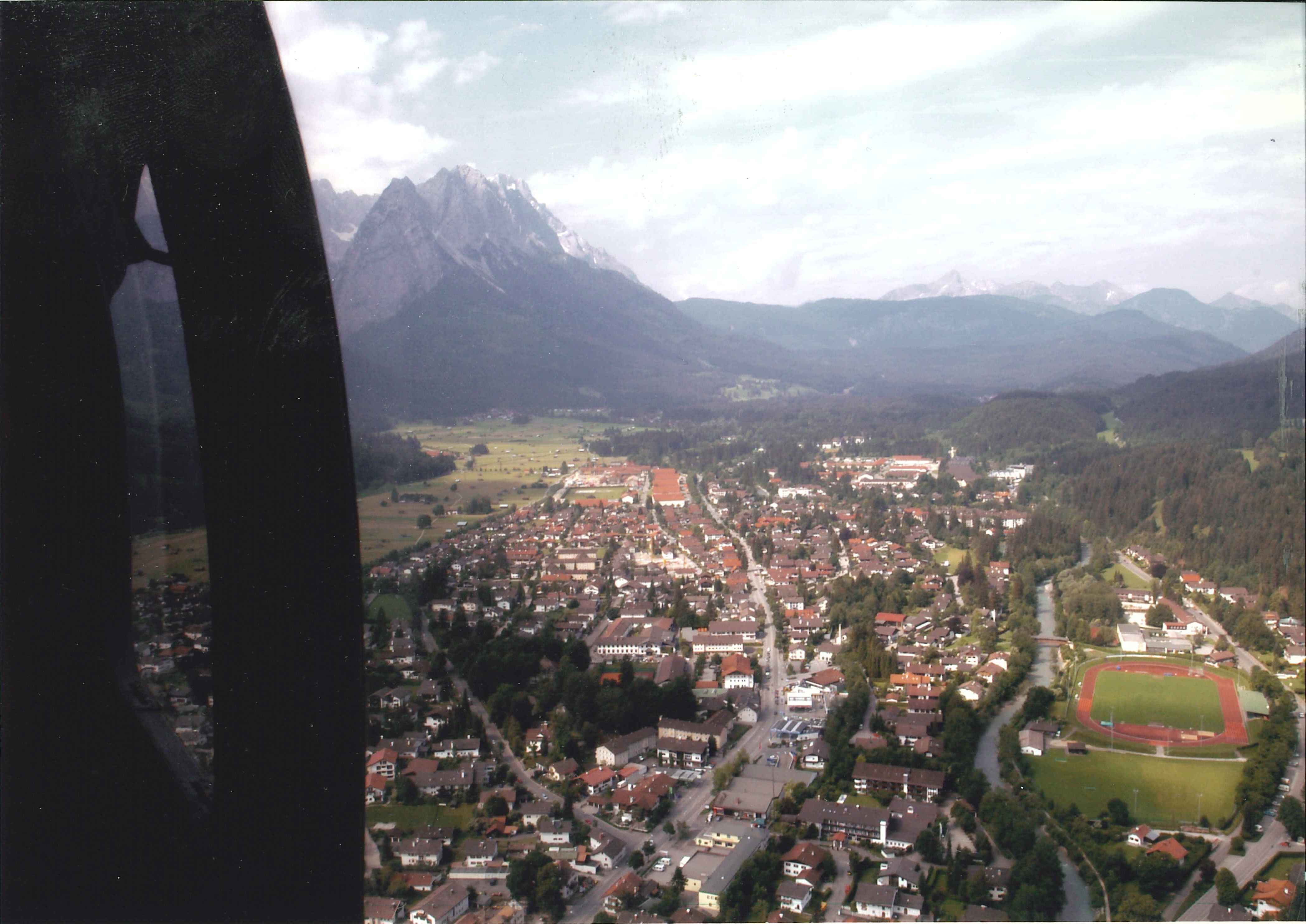
For many of our Graduate Fellows, serving overseas or working with the international community is a large part of their public service journeys. In this blog post, we are excited to highlight perspectives of some of our Fellows who have previously or are currently serving abroad, sharing an inside look at what these unique experiences are really like. We are grateful for the dedication and sacrifice of all those who answer the call to serve overseas on behalf of our nation and hope you enjoy this showcase of their inspiring stories of service.
(The cover picture is a view from Secretary Rumsfeld's helicopter flight over the Bavarian countryside in 2003.)
How do you approach building trust and relationships across cultures?
- “I’ve found that meeting face-to-face and genuinely listening to where another person is coming from makes all the difference. Taking the time to understand perspectives, experiences, and concerns helps build trust and creates stronger working relationships across cultures.” (Kimberly, U.S. State Department*)
- “I’ve found being willing to adapt my communication style and trying to actively listen are the best ways to build trust and relationships within an international workplace. Understanding and acknowledging our differences in norms related to time, hierarchy, and relationships has also been incredibly valuable.” (Colleen, International Atomic Energy Agency)
- “The level of trust you build with foreign nationals, in my personal experience in Africa and Latin America, is like most other relationships - it takes time and effort. That means interactions can't be only transactional. You have to approach the other person on a personal level and ask (and should remember) details about family, experiences, and life events. In many cultures, nothing can replace authenticity, active listening, and demonstrating an open mind and curiosity to build trust. A touch of humility goes a long way, too - as a guest in their country, asking for advice, recommendations, or how things work shows a willingness to learn and respect for their opinions.” (Sean, U.S. State Department*)
What have you found to be some of the most important skills when working abroad?
- “Language skills and the ability to understand not just what someone is saying, but what they mean behind how they express it, are incredibly important. Truly understanding another person’s concerns is what leads to finding workable solutions. I’ve also found that speaking the local language is a meaningful sign of respect — it immediately signals that you’ve invested time in understanding the country and culture where you work.” (Kimberly, U.S. State Department*)
- “Patience and cultural sensitivity and awareness in working with others, humility when mistakes happen, and general flexibility help to have a fulfilling experience and to build strong, lasting connections.” (Colleen, International Atomic Energy Agency)
- “The same skills that serve you well in the United States will get you far while living overseas - politeness, patience, a good attitude, etc. It can be stressful to live somewhere you feel you don't belong - don't add to it by being miserable with those around you. Many countries are just very different from the U.S., and expecting the telecoms provider to have better customer service, the power and water utilities to be better managed, or the supermarkets to be better stocked, can make your experience more negative than it needs to be. Be flexible and adaptable. Do your research ahead of time and go with the right expectations.” (Sean, U.S. State Department*)
What’s been the most rewarding cultural experience you’ve had while serving abroad?
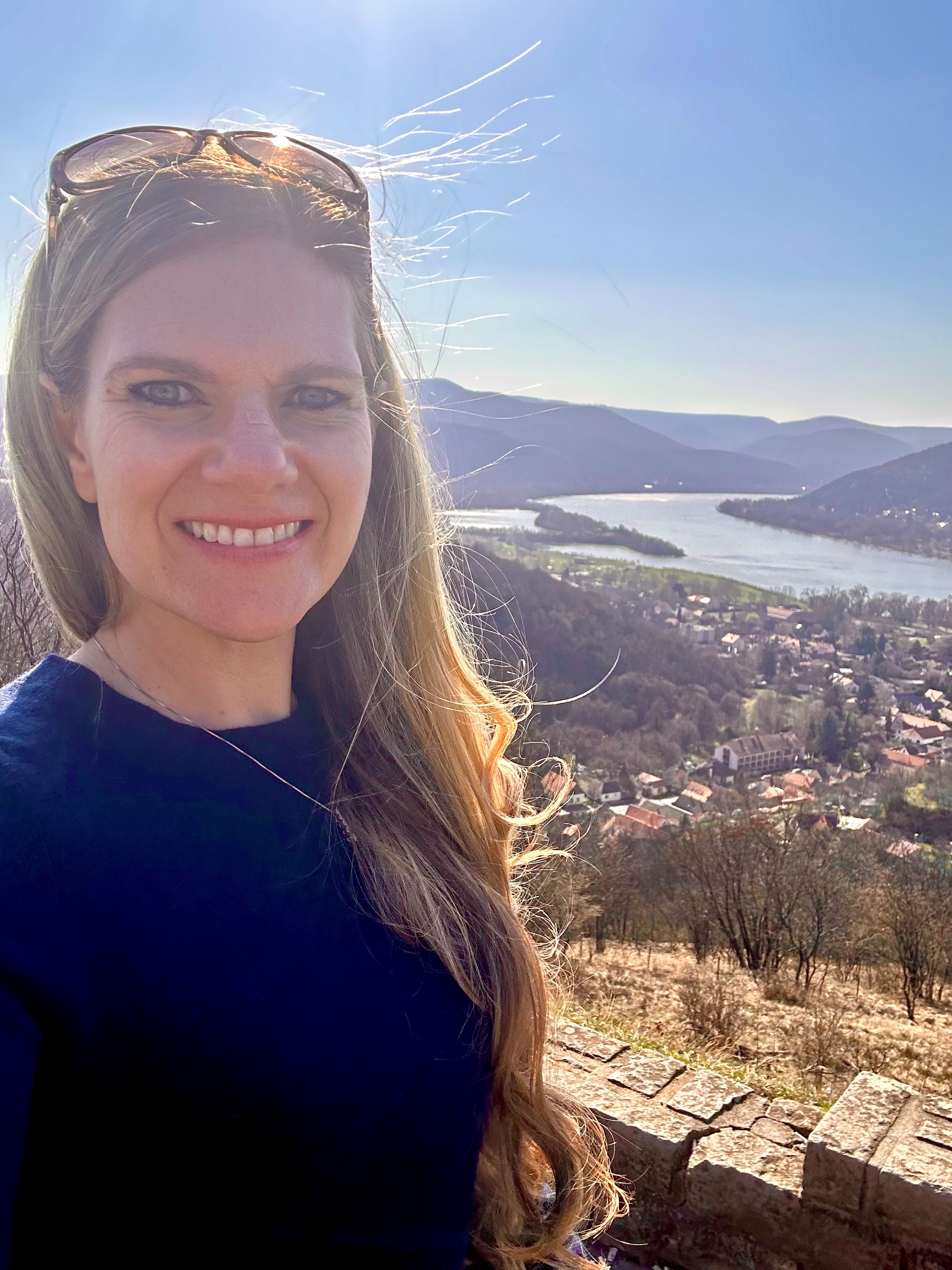
- “One of our Public Diplomacy colleagues asked several of us to share our favorite aspect of Hungarian culture, and I chose the Hungarian language. I recorded a short message in Hungarian for our Embassy’s Instagram account, and the response was overwhelmingly positive. A colleague later told me that a police officer he was meeting with pulled out his phone to show him the video because he was so excited to hear an American speaking Hungarian. It’s a difficult language, and while Hungarians are very understanding when foreigners don’t speak it, they are very proud of their language and are so excited when someone makes the effort to learn.” (Kimberly, U.S. State Department)
- “As international civil servants, we pledge to prioritize the organization’s interests over personal or national interests, and this is evident in the willingness of staff of all nationalities to share and discuss deeply technical subject matter expertise and experience for the sake of nuclear non-proliferation. It has been an honor and privilege to witness and participate in this environment.” (Colleen, International Atomic Energy Agency)
- “Getting out of the capital and exploring the country like a local can be very rewarding (where safe and feasible to do so). I took my family on a road trip through several states of northeastern Mexico, from the highlands to subtropical forests to the desert. We visited some very small, off-the-beaten-track towns and villages along the way. In many of these places, they don't see very many American tourists. But they were universally friendly, hospitable, and tolerant of my Spanish. Hiking through the jungle with a local indigenous guide to see a 500m deep vertical cave, and learning about the local culture in that remote spot, was a definite highlight of our journey.” (Sean, U.S. State Department*)
When you set out on your public service path, did you always envision working overseas? If yes, what drew you to doing so?
- “I’ve always been drawn to working overseas. I love the challenge of working across governments, legal systems, and cultures to understand how to align interests between multiple parties. International work brings together many of the same issues we navigate domestically, but within the broader framework of foreign policy and international cooperation. I especially enjoy using the lens of U.S. foreign policy goals to interpret developments on the ground in Hungary and provide accurate, timely analysis to decision-makers.” (Kimberly, U.S. State Department*)
- “I never envisioned that I would live overseas when I began my career in public service. I was always curious about the world, and wanted to visit other countries, but how Americans actually lived and worked abroad was not something I had been exposed to growing up, or even in college. As I learned more about the opportunities out there, and what it would be like to take my family overseas, I began considering it seriously and finally decided to take the leap and join the Foreign Service.” (Sean, U.S. State Department*)
Can you share something about your work that has recently made you proud?
- “A regular part of my work involves conducting open source-based analysis to ensure States are complying with their respective safeguards agreements (i.e., to ensure nuclear material and technology is used only for peaceful purposes). Items identified by my research “trigger" field activities conducted by the IAEA inspectorate, thus preventing the misuse or illicit transfer of nuclear materials and technology worldwide.” (Colleen, International Atomic Energy Agency)
- “One of the great things about my career is the opportunity it provides to do something entirely different every few years. In my previous assignment as a consular officer in Mexico, I worked on fraud prevention for the visa program that brings migrant farmworkers from Mexico to the U.S. - a critical program that ensures American agricultural employers can access the labor they need to harvest seasonal crops. As the deputy fraud prevention manager, I worked with our team to improve processes that kept fraudulent parties from taking advantage of the program. Knowing that this program benefited farmers and employers in all 50 states made me feel like I was directly contributing to an important part of the U.S. economy.” (Sean, U.S. State Department*)
What kinds of challenges are you working on in your current role?
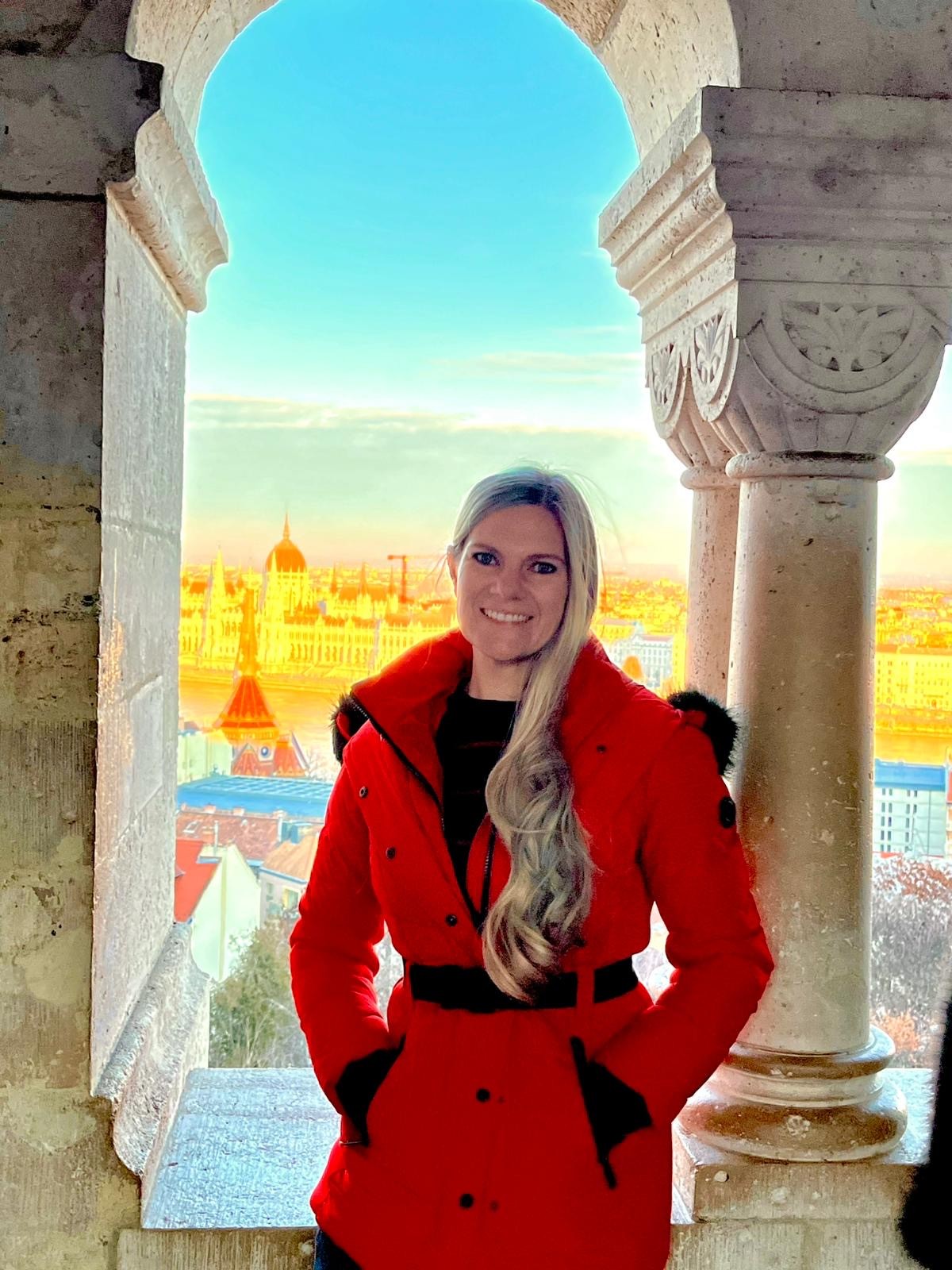
- “I am a Political Officer with the Department of State in Hungary. I'm enjoying the challenge of making contacts in a new region. We work with governments, think tanks, academics, and nonprofit organizations to better understand perspectives on the ground. We rely on our local staff to help us understand what work has been previously, and we build on that by keeping up these relationships and continuing to grow our network of contacts. A unique challenge of this work is taking the information that is shared with us, evaluating and analyzing various perspectives, and then reporting back relevant information to Washington to help them pursue their policy goals. I love the challenge of working across cultures to understand how we can prioritize our values at home.” (Kimberly, U.S. State Department*)
- “I will serve as the Financial Management Officer in my upcoming assignment, responsible for budgeting and approving expenditures at the embassy. Since I have not arrived at the post yet, it's hard to describe the challenges I may encounter. However, one consistent challenge in this career is moving to a new country and taking leadership of a section as the new American officer and figuring out how to navigate the various personalities, work across cultures, and build trust and respect in the team.” (Sean, U.S. State Department*)
What’s something about your job that people back home might not realize, and you wished they knew?
- “In addition to being the largest Member State contributor to the IAEA’s regular annual budget, the U.S. also regularly provides significant extra-budgetary assistance to the IAEA in forms such as personnel, training, and equipment. The U.S. Support Program (USSP) to the IAEA is always looking for U.S. Citizens to staff positions throughout the IAEA (for USSP for IAEA Safeguards, see https://www.bnl.gov/ispo/ussp.php. For USSP for all other IAEA Departments, see https://international.anl.gov/careers.html).” (Colleen, International Atomic Energy Agency)
- “It's not all diplomatic receptions and travel adventures. As a U.S. Government employee, you are always representing your country, even when not at work. The expectation is that you are 'always on,' because your activities and actions outside of work can be viewed through the lens of your USG affiliation. That can cause a lot of stress, especially when your status in the country, kids' enrollment in school, and residence are all dependent on your employer and the current state of relations with the host country. In some countries, I stick out as an American, which can wear you down over time.” (Sean, U.S. State Department*)
Along with our thoughtful contributors above, we are proud to share some of the other impressive overseas posts that our Fellows have held in recent years:
- Foreign Service Officers and Embassy staff in Europe, Africa, the Middle East, Central Asia, Central America and beyond
- Intelligence Analysts within European Command, the Federal Bureau of Investigation and more
- International Military Affairs Operations Officer within the U.S. Army Southern European Task Force
- Staff with the U.S. Air Force in the Europe-Africa International Affairs Division
- Members of the U.S. Military
In addition to those working on the ground overseas, many have devoted their career paths to international relations with regional expertise and analysis roles in domestic offices like:
- Desk and Foreign Affairs Officers at the U.S. Departments of State and War
- Regional Analysts at the CIA, FBI and U.S. Department of State
- Director for Arctic & Oceans Policy at the Office of the Under Secretary of War for Policy
- International Trade Specialists
- Deterrence professionals within U.S. Strategic Command and the National Nuclear Security Administration
- Congressional Liaison on the U.S.-China Economic and Security Review Commission
- Subcommittee Staff Director of the Committee on Foreign Affairs of the U.S. House of Representatives
Thank you once again to our Fellows for sharing a snapshot of their work and for all within our network who have contributed so much to this important field! Learn more about our Graduate Fellowship and the rising public service leaders – like Colleen, Kimberly and Sean – that comprise our network here.
*Please note that all responses from our authors above reflect their own personal views and experiences and are not endorsed by the U.S. Government.